A Modern Rating System for Hotels and Public Places in 2026
A Modern Rating System for Hotels and Public Places in 2026
The 2026 Rating Standard: Beyond the Basics
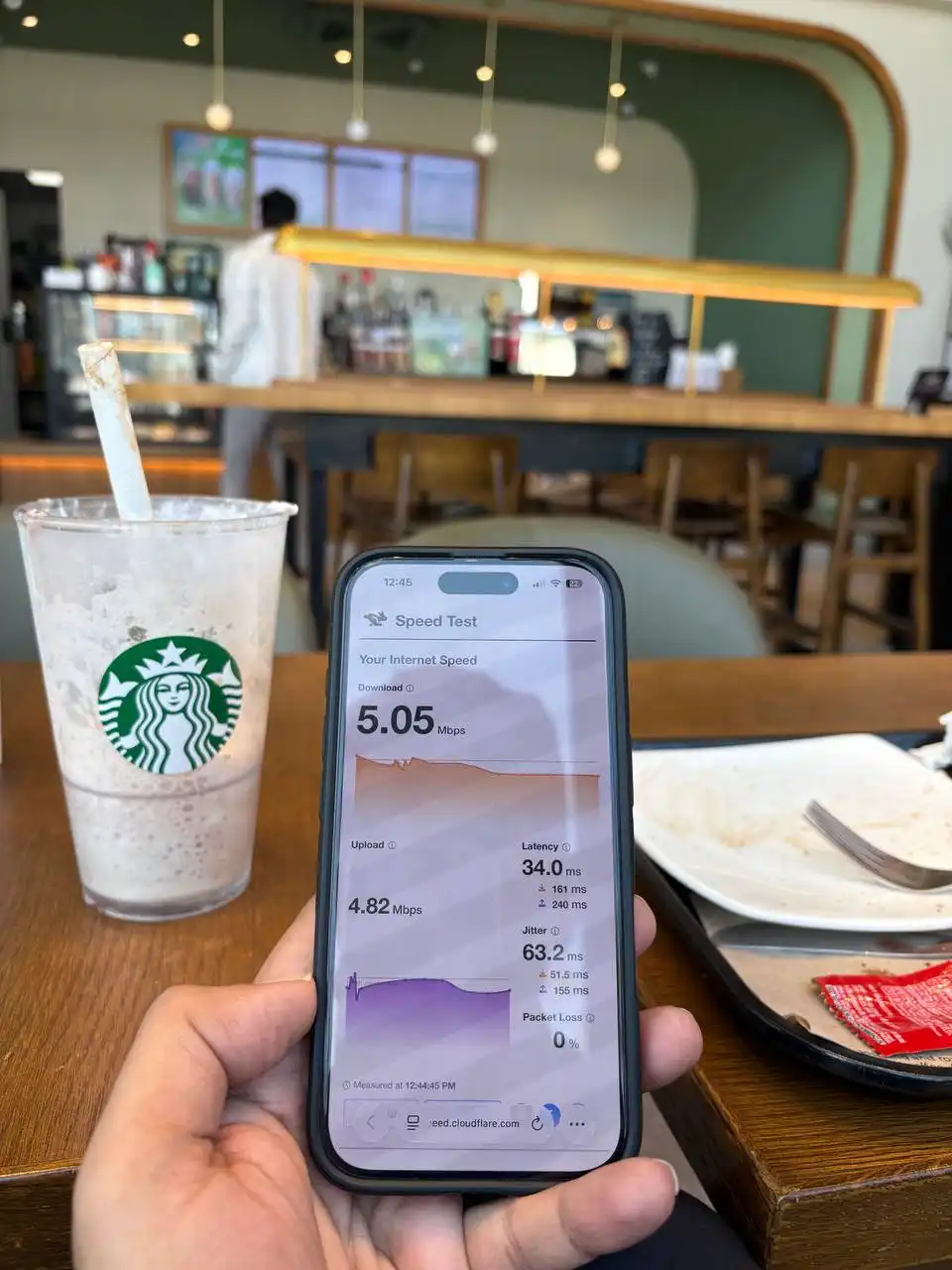
Traditional reviews are outdated. In 2026, a “good” venue isn’t just about food or decor; it’s about seamless integration into a digital and inclusive lifestyle. This new framework evaluates the complete customer journey across 5 vital pillars.
1. Digital & Payment Infrastructure
- Connectivity: 5G signal strength and secure, high-speed WiFi (Mbps).
- Payments: Full support for UPI, cards, and contactless.
- Privacy: Capability to transact without mandatory mobile number sharing.
2. Hygiene & Facilities
- Sanitation: Strategic handwash stations (not just in restrooms) and automatic soap/sanitizer.
- Water: Access to complimentary filtered water vs. paid bottled options.
- Restrooms: Rated on odor control, wheelchair accessibility, and maintenance frequency.
3. Food & Menu Intelligence
- Transparency: Allergen markers and standardized Spice Ratings (Mild to Extra Hot).
- Format: Choice between physical menus and QR codes with high-quality photos.
4. Logistics & Environment
- Parking & EVs: Dedicated spots for 2/4 wheelers and availability of fast-charging EV points.
- Acoustics: A 1–10 noise scale (Library-quiet to Club-loud) to gauge conversation-friendliness.
- Aesthetics: “Peak Aesthetic Hours” (e.g., Golden Hour) for photography-focused visits.
5. Accessibility & Service Quality
- Universal Design: Ramps, elevators, and senior-citizen-friendly seating.
- Proactive Service: Automatic plate changes and response times under 5 minutes.
- Booking: Incentives for direct booking over third-party apps.
The Weighted Rating Scale
To ensure accuracy, the final score is calculated as follows:
| Category | Weight |
|---|---|
| Core Service (Food/Stay) | 30% |
| Hygiene & Safety | 20% |
| Accessibility & Facilities | 20% |
| Service Quality | 15% |
| Connectivity & Payment | 10% |
| Amenities (Pet-friendly, etc.) | 5% |
Why It Matters
This system moves from subjective “vibes” to objective utility. It helps businesses identify service gaps and empowers customers to find spaces that meet their specific functional needs—whether that’s a quiet place to work or a reliable EV charging spot.
This post is licensed under CC BY 4.0 by the author.